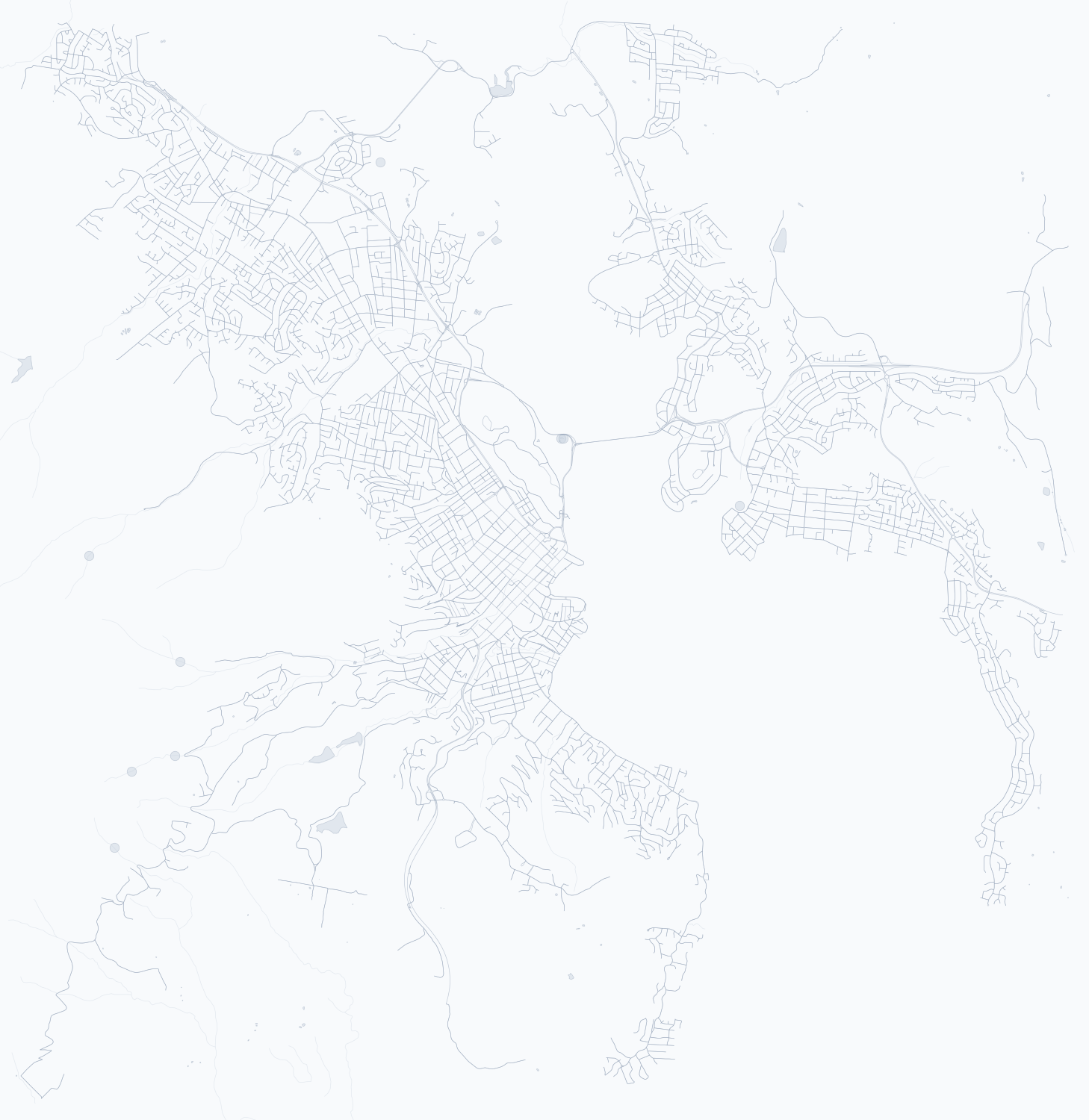
Hobart street map
TAS Data Report Updated 2026

Schools & Childcare in Hobart

An independent analysis of school quality and childcare ratings across 261 schools and 227 childcare services in TAS.

Total Schools

261

Total Childcare

227

Mean ICSEA

969

Exceeding NQS

20.3%

Tasmania has a small but distinct school landscape. The state's ICSEA mean sits below the national average, reflecting demographics rather than school investment. Hobart's eastern shore suburbs (Sandy Bay, Battery Point, South Hobart) form a compact high-ICSEA corridor. Tasmania's childcare sector is small enough that a single re-assessment can shift the state's Exceeding percentage significantly.

Analysis

Small Sample, Big Swings

Tasmania has fewer than 300 schools and a small childcare sector. This means statistical measures can shift significantly from year to year as individual schools and centres are reassessed. A single large childcare centre changing from Meeting to Exceeding can move the state percentage by a full point. Trends should be interpreted cautiously in small jurisdictions.

Hobart's Eastern Shore Pocket

Sandy Bay, Battery Point, and South Hobart form Hobart's highest-ICSEA cluster, driven by the University of Tasmania precinct and established professional communities. Outside this pocket, ICSEA scores drop quickly. Launceston has a smaller secondary cluster around the CBD and eastern suburbs. The gap between Hobart's best and worst suburbs is narrower than in mainland capitals, reflecting Tasmania's more compressed income distribution.

Affordable Quality

For families relocating from mainland capitals, Tasmania offers an unusual proposition: schools with ICSEA scores around 1,050 in suburbs where property prices are a fraction of equivalent Melbourne or Sydney suburbs. The trade-off is a smaller school market with less choice, particularly for secondary and independent schooling.

Above ICSEA 1,050

14.9%

Above ICSEA 1,100

7.3%

Childcare Exceeding

20.3%

Top Suburbs by School Quality

Ranked by average ICSEA score (minimum 3 schools per suburb). National average is 1,000.

Rank Suburb ICSEA Schools
01 Sandy Bay 1,131 6
02 Bellerive 1,064 4
03 North Hobart 1,057 4
04 Launceston 1,054 5
05 Newstead 1,042 5
06 Kingston 1,037 4
07 Riverside 1,031 4
08 New Town 1,020 3
09 Invermay 970 3
10 Latrobe 968 4
11 Ulverstone 963 5
12 Deloraine 952 4
13 Glenorchy 950 5
14 Devonport 944 9
15 Wynyard 942 3
16 Claremont 930 5
17 New Norfolk 908 4
18 George Town 905 3
19 Rokeby 905 3
20 Smithton 872 4

Top Suburbs by Childcare Quality

Ranked by percentage of services rated "Exceeding NQS" (minimum 5 services).

Rank Suburb Rating Services
01 Burnie 60% 5
02 Sandy Bay 44% 9
03 Ulverstone 40% 5
04 Glenorchy 40% 5
05 South Launceston 33% 6
06 Hobart 33% 6
07 Claremont 0% 5
08 Bellerive 0% 5
09 Blackmans Bay 0% 5
10 Newstead 12% 8
11 Devonport 0% 8
12 Kingston 0% 6
13 Riverside 0% 5

Childcare Quality Areas

How TAS childcare services perform across the seven NQS quality areas.

QA1 Educational program
21.1%
QA2 Health & safety
17.2%
QA3 Physical environment
19.8%
QA4 Staffing
18.9%
QA5 Relationships
21.6%
QA6 Partnerships
27.3%
QA7 Governance
19.4%

Frequently Asked Questions

What is a good ICSEA score in Hobart?

Tasmania's state average ICSEA sits below the national average of 1,000. In Hobart, scores above 1,030 are above average for the state. The highest-scoring suburbs are Sandy Bay, Battery Point, and South Hobart. The overall range is narrower than in mainland capitals.

How do school catchment zones work in Tasmania?

Tasmanian government schools have local intake areas. Students in the area have priority enrolment. Hobart's compact size means most schools are accessible. Check the interactive map on this page for catchment boundaries.

Is the school data reliable for Tasmania given its small size?

ICSEA scores are calculated using the same national methodology regardless of state size. However, Tasmania's small school count means year-to-year variation can be higher. Childcare Exceeding rates can shift by several points with just a few reassessments. Multi-year trends are more reliable than single-year snapshots.

How often is the school data updated?

School ICSEA data comes from ACARA and is updated annually. Childcare NQS ratings are sourced from the ACECQA National Register. School intake areas are published by the Tasmanian Department of Education.

Explore Hobart Schools on the Map

Search any address to see nearby schools colour-coded by ICSEA score, childcare services by NQS rating, and school catchment zone boundaries.

Open Map

Related